Thursday, June 6, 2013

Blog #13 – Tool #2 – Cooking Your Own Crap!


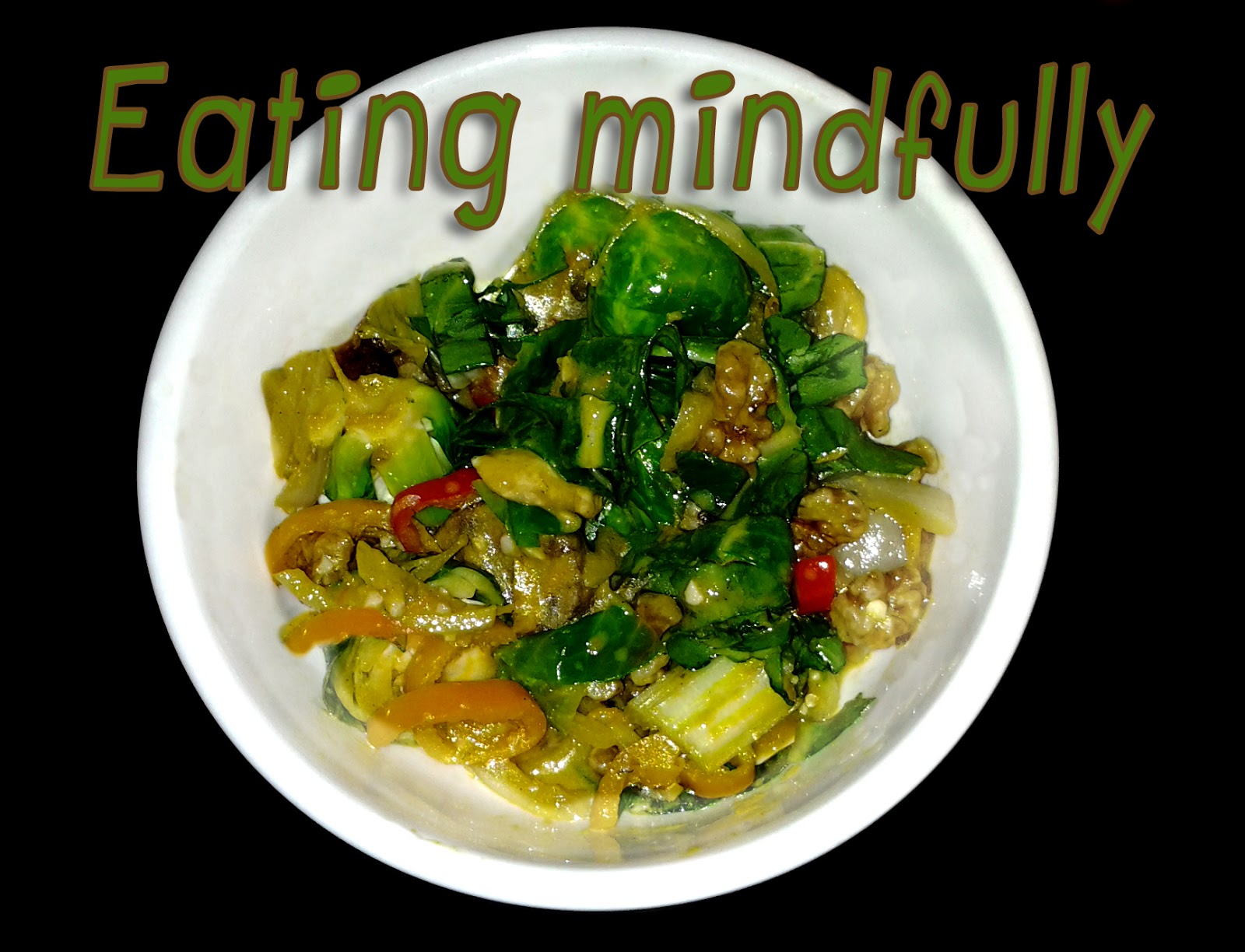
Let me just revisit what this whole “tool” thing is about and also get you up to date on what’s going on with Operation Creampuff. A few blogs ago I wrote about Food Demons and promised to share some tools that people (myself included) can use to keep them on the path to a healthy lifestyle and avoid overeating or eating the wrong foods. The first tool I wrote about was Mindful Eating. Mindful eating is about allowing yourself to fully experience both the foods you eat and your body’s reaction to them. Not only taking the time to taste and savor the flavors, textures, colors, etc. but also thinking about your hunger and fullness cues and how your body feels when you eat certain foods. Eating mindfully helps with portion control as well as making you think differently about food. Food is not just sustenance and food is not a refuge. Food is awesome, but not if we are using to deal with some other more pressing issue in our lives. Mindful eating makes you a more creative, more thoughtful and more discerning eater, if you do it right. 

Read more about Mindful Eating on Blog #11 and the associated article.
Bringing you up to speed

Joe Cross & Phil Burrows
Now, where are we now?  Have we been able to maintain this crazy routine of ours? If you’ve been following the blog you know we started out this lifestyle change back in January with a 67-day juice cleanse inspired by a good friend of ours and by the Fat, Sick & Nearly Dead documentary. We used those 67 days to do some research and build a healthy eating and rigorous exercise program for ourselves that we could maintain once we stopped juicing with the goal of establishing a new regime that would (hopefully) last a lifetime. Well so far we have done just that. We are not experiencing the rapid weight loss we did while we were juicing, but that’s a good thing!

Now we are focusing on shedding body fat, shaping, toning, building muscle, and eating foods that support what we are trying to do with our bodies as well as with our lives. We are settling in well to our much more restrictive diet where we have severely lessened our meat, dairy, grains, starches and alcohol intake and we have cut out our processed food intake altogether. We have learned that there is a plentitude of things we can still eat and interesting things you can do with just fruits and vegetables. As an added benefit we are also spending A LOT less money on food. Packaged and processed foods are a lot more expensive than buying things in their natural state, as you pay for the added convenience of someone else doing the work for you. You pay with your wallet and your health.

In terms of exercise, we have taken on a very intense workout regimen and have really gotten into the whole fitness and weightlifting world. We work out 6 days a week for at least an hour each time. We do a lot of crossfit-type workouts, we do sprint interval training, and we have also significantly increased the amount of weight we lift, especially me. I’m loving seeing how I strong I can be and loving seeing the definition forming in my arms, back and abs. Getting into the idea of getting ripped and not just getting skinny, healthy, and in shape (yes, I used the term “ripped”, I’m one of THOSE people now). Really getting excited about taking this whole thing to the next level and starting to help more people get into this lifestyle.


Use the tools!

OK on to the next tool! I call this one, "Cooking Your Own Crap" (LOL, what can I say, I like a good catchphrase just as much as the next person). This tool is exactly what it says. Let’s be real, there are gonna be some days when you want cookies, cake, pizza, ice cream (AKA crap). My advice? Have some! But make it yourself.  Here are the reasons I think this is a better option.


  • One, making it yourself requires you to go through the sometimes painstaking baking/cooking/preparing process. It gives you an opportunity to think about how much you really want whatever treat you’re craving. If you want it all that badly, you’ll do the work to make it happen. If not, then problem solved (because of course don’t keep any of that bad stuff in your house , right?)! 


  • Two, if you cook it yourself you have some control over the ingredients and can ensure that there aren’t strange additives, preservatives, coloring, etc. that are not good for you in the mix. You can take this opportunity to use whole wheat flour or a wheat alternative like amaranth instead of white, bleached, processed flour. You can use raw sugar or agave instead of white, bleached, processed sugar. You can use coconut oil or ghee instead of vegetable oil, shortening , or butter. Good stuff, right?! 


  • Perhaps the best reason to cook your crap yourself is that you can control the portions. If you bake something from scratch you are generally working with a recipe that yields something like 4 servings rather than a bag that likely yields 20 servings. When you cook your own food hopefully the likelihood of you sitting down and eating all 12 cookies you just baked is less than the likelihood of sitting down and eating that entire bag of Chips Ahoy. Especially after you’ve done all that work to create them. 


  • Also, food cooked this way I find to be more filling as it is not the same empty calories as what you buy off the shelf, there are some actual real ingredients in there. And you’ll be so proud of yourself you’ll want to share them anyway and make sure everyone knows you are WAY healthier eater then that are!


Thanks!!! (and stay tuned…)

Along this path we have encountered so many people with so many different outlooks. Some have been downright negative and ugly while others have been overly anxious to do whatever we did to lose all this weight without fully understanding the sacrifice and commitment involved. But we’ve mainly met a ton of people that just really need some help in getting healthy and getting active, just like we did. This blog and this journey has turned into a platform for us to be able to help other people like ourselves, who are ready to make real change in their lives. We are very excited about everything we have in the pipeline. New ideas, projects, STUFF! We can’t wait to share it all with our awesome readers! Till then, keep that positive energy and great contributions coming! By the way our new new facebook page is up please click on this Go H.E.a.T.!!! and click "like".


Go Team Mendoza!!!

Monday, June 3, 2013

Blog #12 - How Not To Be Annoying


I love the new heal thyself with food mantra that has taken hold in the health and fitness community. I think for the first time in a long time, they are really on to something. When you make the changes that we have made and are continuing to make in our lives, and you see the results of putting good things in your body and taking better care of yourself, it’s hard to not want to spread the word.

This process has exposed us to information that we might never have come across had we not sought it out. Also we are getting so much interest in what we are doing, it’s hard to stop yourself from turning into an overnight guru, from stopping people on the street and saying “hey you look unhealthy, let us help you!” (might get punched in the face). Behind it is our deep desire to help others and get them on this path to good health that is sustainable for a lifetime. But each person is at a different point in their journey and knowing when you’ve done or said too much is sometimes a hard lesson learned. You don’t want to be “that guy” who gets on some new kick and it suddenly becomes what they are all about all the time and they have nothing else to discuss but their new thing. 

I swear I’ve used the words “read blog #7” at least 10 times this week, maybe more. Finding a way to spread the word and help people who want to be helped without being obnoxious about it is difficult. 

On the one hand when something is important to you and you want to get a message out, you have to be in people’s faces about it. But the trick is getting the right message to the right people at the right time.

We are working on building a Facebook page that will hopefully allow us to do just that. We hope to attract the people who are really interested and not bore and annoy the people who aren’t. 


This let’s me know that people are interested, people are hungry for information and they also want to hear people’s stories. We hope to use this Facebook page to not only showcase the blog and the many ideas and suggestions we’ve gotten from it, but also as a venue to share recipes, articles, thoughts for the day, little known facts, answer questions, offer support, etc. The next blog will have a link to the new page! Please join!!! We are hoping the Facebook page will be our entre into a lot of projects we are working on. Stay tuned and stay healthy!!!

Wednesday, May 8, 2013

Blog #11 – Tool #1 – Eating Mindfully


So one of the previous blogs was about Food Demons.  I realize that this new commitment to a healthy lifestyle is going to be a lifelong battle. Our family trip to Florida a few weeks ago was a case in point. We still juiced for breakfast but the rest of the day and the exercise routine went a little haywire. To be expected on vacation, yes, but still it served as a reminder that we are subject to human 
weakness.


I talked before about arming myself with tools that will help me battle my food addiction. Years ago, I attended a magazine photo shoot of one of my good friends who is a model. She was modeling for an article about something called "mindful eating". I had never heard of this before but she explained it to me and it’s been something I’ve stored in the corners of my mind since then. I realized last week that I can use "Mindful Eating" as one these tools.


What is mindful eating? (Click the picture below and it will take you to the article. Please take the time to read it because it will make you think differently on how you eat when hungry.)
Every Bite you take
written by: Sarah Lavender Smith 


In summary “eating mindfully involves slowing down and using all your senses to explore and savor food, and using your hunger and fullness cues to guide you to start and stop eating…but it’s not about losing weight as much as it’s about appreciating food more and sustaining a healthy relationship with it.”


Well what do you know about that? Exactly the kind of solution I’ve been looking for already stored in the recesses of my brain seemingly filled with useless information. So my goal this week is to practice "mindful eating", whatever I’m eating and even while I’m cooking. I will look at all the colors, flavors, textures and smell all the smells. I will not make large quantities of food and I will put only a very small amount on my plate. My goal is to taste and enjoy my food rather than scarfing it down. I love the taste of vegetables when they aren’t soaked in salt and butter and meat is so filling that you really only need a small amount of it to be satisfied. Sometimes a sauce or spice can bring out flavors or heighten how well different kinds of food blend together. 


But sometimes they can overpower the food and wash away all the subtle nuances.

I invite anyone who is reading this blog and trying to engage in a healthier lifestyle to join me this week.

A quote from the doctor in the article: “Now, pay attention bite by bite. As they say in Las Vegas, ‘You have to be present to win.’ ” 


Tuesday, April 30, 2013

Blog #10 – Becoming Foodies


I want to share with you some of the foods we enjoyed during the first week of our return to food since the juice cleanse. We have started what feels like a strict schedule on how and what we eat each day of the week. But again, the goal is to start actively taking control of our bad habits until our brains are retrained and all these things become second nature to us.


First of all, we still juice for breakfast and sometimes for lunch. It gives us great nutrients and much needed energy, but also helps us to continue to lose weight which we are still working on. But during the week our new food regime consists of a combination of paleo and plant-based. The paleo diet, if you’ve never heard of it, is basically to eat like a caveman, eating things that occur in nature and don’t have to be cooked in order to be consumed. This is not the same as raw eating where you don’t cook your food. Paleo people cook their food but they don’t eat anything that HAS to be cooked like rice, corn, grains, beans and most dairy. The main criticism of the paleo diet is that most of its meals involve meat and people that eat paleo are generally big proponents of the benefits of meat protein (I said generally so calm down vegetarian paleo people, all five of you!). But for all intents and purposes the paleo diet is geared toward eating whole foods and nothing that is processed, which fits well with our food goals. The plant-based diet on the other hand says you can eat anything that comes from a plant, whether or not you have to cook it. Obviously, meat and dairy don’t come from plants. But wheat/grains, corn, soy and rice do. The plant-based diet is also about eating whole foods and cutting out processed foods. So the combination we have during the week is that we eat mainly paleo, but without the meat. What does that mean? Basically we eat fruits and vegetables and nuts during the week. Sounds very limiting right? Well thank goodness for cookbooks! Of course all these diets have a zillion cookbooks associated with them but since we aren’t following any one of them to the T, we have to adjust a bit. You would be amazed at the combinations of filling and extremely tasty meals that can be made using only fruits, vegetables and nuts. We don’t use a lot of nuts either because they are pretty fattening. But ground up or shaved or lightly sprinkled, they add a lot of flavor to a meal and also make it very filling.


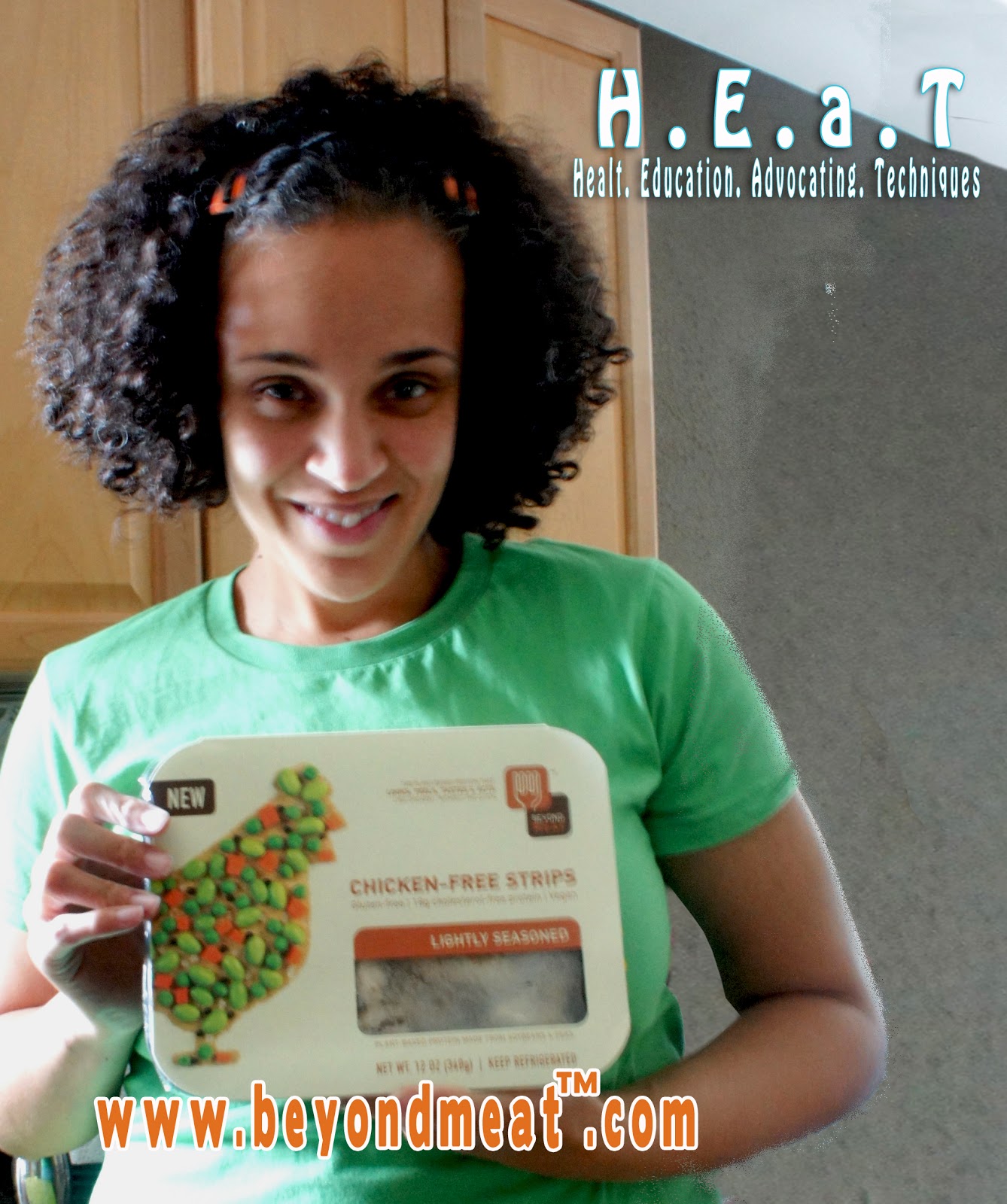
On Fridays for dinner we make a small adjustment to our food plan which is that we can add a starch to our diet in limited quantities (potatoes, rice, corn, pasta, gluten-free pasta, or beans). We still generally stay away from straight-up bread unless it’s paleo bread which is made from coconut or almond and we try to limit our wheat-based consumption. If we eat something that comes from wheat or rice our rule is to eat it in as whole a form as possible. That means long-grain or wild rice like basmati, whole grains and wheat alternatives such amaranth, buckwheat or quinoa. Note that wheat-free does not equal gluten-free. This also includes meat alternatives including our favorite, Beyond Meat (http://www.beyondmeat.com/). We generally try to avoid anything that comes completely from soy like soy milk, tofu or a host of “meatless” products. But we will eat foods that contain soy such as
Beyond Meat. The other tricky thing with meat alternatives in general is that they tend to be very over-processed and full of sodium. Processed foods are not on the list so even though we may bend a little with things like pasta (sorry but I ain’t making my own pasta), we do not eat most of the veggie burgers and similar products you find in the frozen food section. The key here is to READ LABELS. If you don’t recognize the ingredients, don’t buy it! Check out these links for examples of good starches and alternatives to wheat.


Saturday we add meat and alcohol to our diet also in limited quantities. On the documentary Forks Over Knives (see Blog #7) they discuss American consumption of meat and how it has increased exponentially over the years at the same time as our meat has become more and more toxic. You can also get complete proteins (the same you get from meat) through a multitude of other products so it’s not like you really need meat for any nutritional reason (http://www.fitday.com/fitness-articles/nutrition/proteins/incomplete-vs-complete-proteins.html and check out the section on combining incomplete proteins to create complete proteins). One of the subjects in the documentary is a Chinese man who moved to the U.S. as an adult and immediately fell victim to our large portions and the way we eat meat. I think he had like 5 bypass surgeries before switching to the plant-based diet approach (yes he is an extreme case). But he noted that even though they eat meat in China, they use meat as a flavor enhancer or filler, usually slicing it over the main dish. Meat is an additive. In the U.S. meat is the main ingredient and everything else is just a garnish. In the documentary they link the countries with significantly higher meat consumption with those that have significantly higher rates of cancer. This is a very touchy subject for a lot of people so I won’t argue it one way or the other. Whether or not you believe meat is killing you, we collectively eat too much of it. Also, in our house we do agree with the documentary that people don’t really need meat. Again, Beyond Meat is a company that is aiming to replace meat protein with vegetable protein and their products are complete proteins, so they contain the amino acids and the same balance of proteins found in meat and dairy products. So now you ask, why if we believe all this do we still eat meat on Saturday (and sometimes on Sunday)? Why? Because we like it! And we feel that if we eat it in moderation it is not bad for us. Also we allow ourselves to eat a little more on Saturday anyway because that’s the day we get up early and do our long runs.

Sunday is the same as Saturday except no alcohol, we can eat dairy and we occasionally skip the juice in favor of eggs and pancakes (buckwheat or gluten-free). We save our alcohol consumption for days when we don’t have to get up and be functional the next day. And again, we do not throw down the way we used to. We drink in moderation. But even so, when you don’t drink very much, you notice the impact it has on your body and getting up to run 10 miles the next day or get your son who is not a morning person up and ready for school is not a good look. Also Saturday nights tend to be more relaxed and if we are going to have some grown-up time and get a sitter it generally happens on Saturday. So we try to cut ourselves some slack. But back on the horse again the next day!


What did you not see on this list? Chips (my personal favorite), soda, most store-bought juices, fast food or really any eating out at all. Nothing that comes in a box or a bag. Nothing that we can’t cook in our own kitchen. The key has been planning our meals and going shopping with a grocery list containing only the things we are planning to cook. Also we have to feed our son. Surprisingly, his diet consists mainly of the things we cook for ourselves. We have never fed him crap though and even at school their menu is organic, real foods. He’s never had a piece of candy or soda in his life and he gets very limited quantities of sweets or juices. Any cookies are usually sweetened with honey or raw, unprocessed sugar and we either make them ourselves or we find the closest alternative (surprisingly the ones in the baked goods section at the grocery store are better for you than the ones you buy off the shelf – read the ingredients). His juice (http://www.lakewoodjuices.com/products) is mixed with vegetables and we give him about 1/3 juice and 2/3 water. So he is used to the taste of food. Sometimes he refuses our little piles of vegetables though so we keep things on hand for the inevitably picky 3 year old palette. But those things are not processed either. He eats the paleo bread or we might throw some cheese on top of something or add a starch or some chicken or Beyond Meat to something. But we don’t pull out the frozen pizza bagels and toss them in the microwave. Another question we get asked a lot is what we cook with since we don’t use vegetable or olive oil. 


We use coconut oil (oddly enough from Costco - http://www.carringtonfarms.com/organic-extra-virgin-coconut-oil-12-oz-tub-54-oz-bottle/) and occasionally we use ghee (clarified butter - http://www.purityfarms.com/). We don’t eat diet food, nothing labeled sugar free or low sodium. Why? Because things with those labels usually have something in there that completely negate whatever benefits you get from reduced sugar or salt. We eat real food. Real butter is better than butter alternatives. Even real meat is better than a lot of meat alternatives (I’m talking about Morningstar Farms here). Even real Coke is better than diet Coke (which we don’t drink in any form).
Again, read labels people. The old adage “if you can’t pronounce it you shouldn’t eat it” applies.